

Orbit
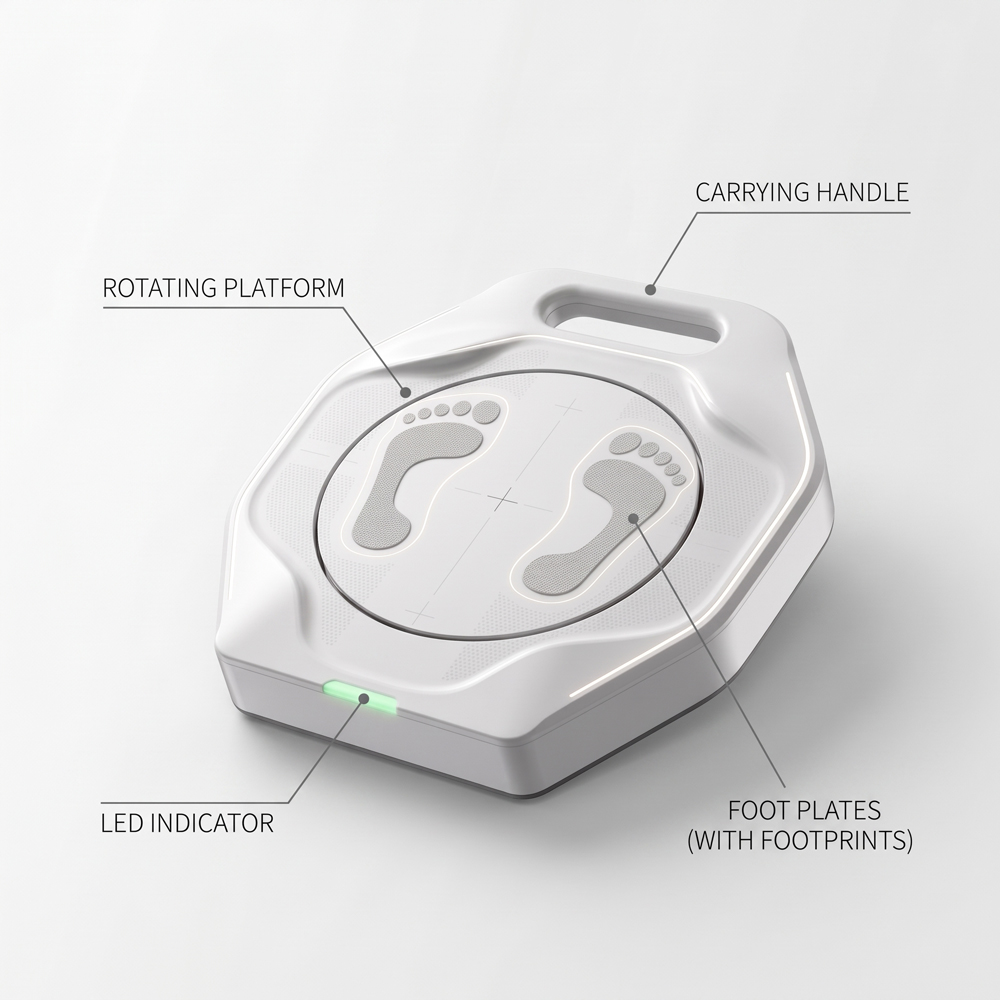
PhysioEye Orbit
A More Complete View of the Human Body.
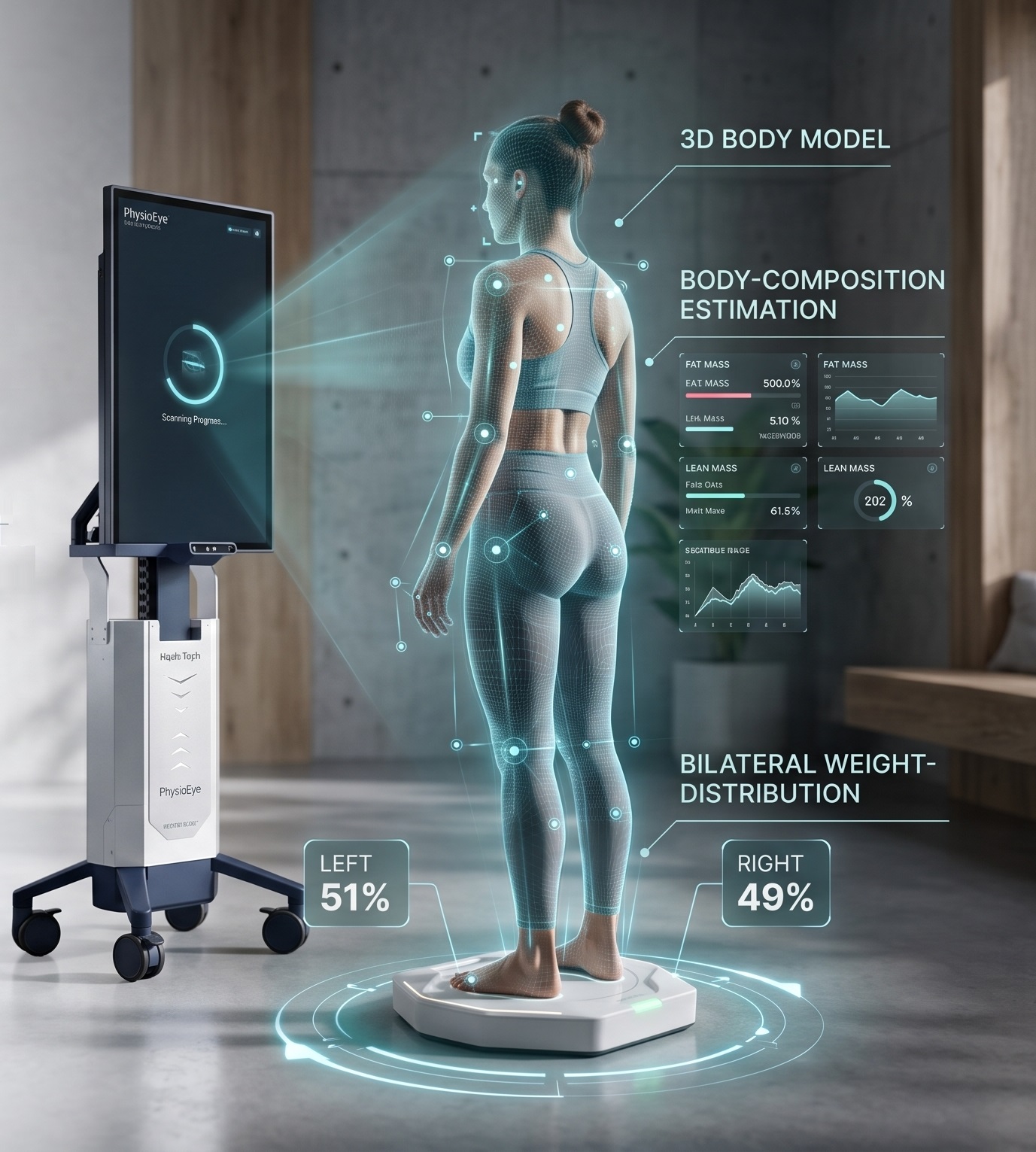
Combine 360-degree body scanning, bioelectrical impedance analysis, bilateral weight distribution, and AI-powered biomechanical assessment in one connected platform.
PhysioEye Orbit extends the PhysioEye ecosystem beyond movement analysis. By combining body geometry, body-composition estimates, and left-right loading measurements with markerless 3D assessment, Orbit helps healthcare professionals build a more comprehensive picture of physical condition, asymmetry, and change over time.
Overview
Beyond Movement. Toward a More Complete Physical Assessment.
Physical performance cannot always be understood from movement alone. Body composition, postural alignment, asymmetrical loading, and changes in physical condition can provide additional context for clinical assessment and rehabilitation
PhysioEye Orbit combines three complementary measurement approaches:
360-degree body capture: Builds a view of external body shape and posture from multiple viewing angles.
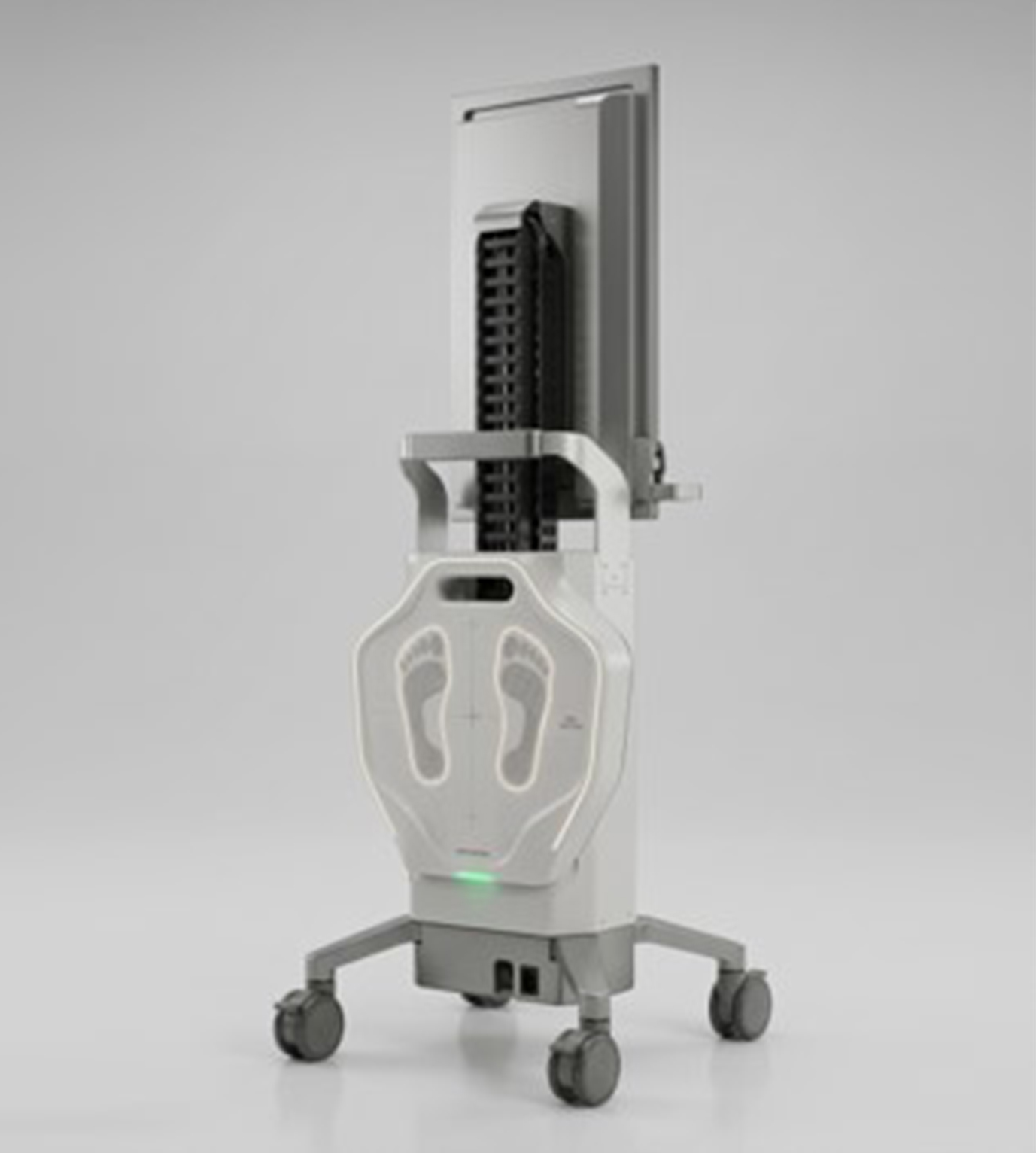
Bioelectrical impedance analysis (BIA): Uses eight contact sensors—four in the foot platform and four in the handles—to collect impedance measurements for body-composition estimation.
Bilateral force measurement: Uses two foot platforms to measure loading on the left and right sides and quantify weight distribution.
Connected to PhysioEye Core, these measurements can be combined with relevant movement assessments to support a broader, longitudinal view of the individual.
Perfect For
Rehabilitation Clinics

Physiotherapy Centers
Occupational Therapy Clinics

Nursing Homes

Hospitals

Geriatric Centers
Key Features
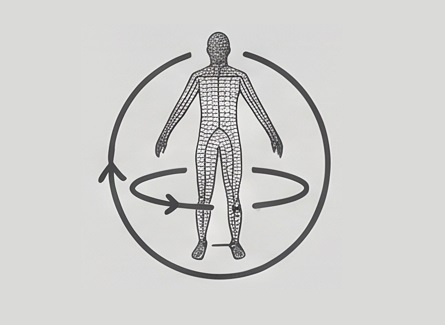
360° Body Scanning
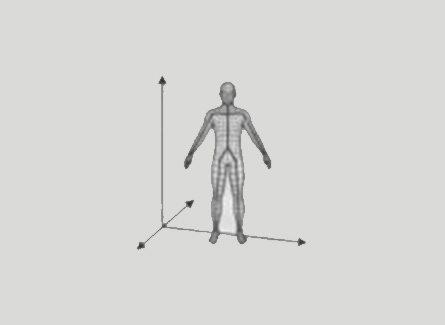
Real-time 3D skeletal tracking
Bioelectrical Impedance Analysis
Bilateral Weight Distribution
Longitudinal patient monitoring
Markerless 3D Assessment
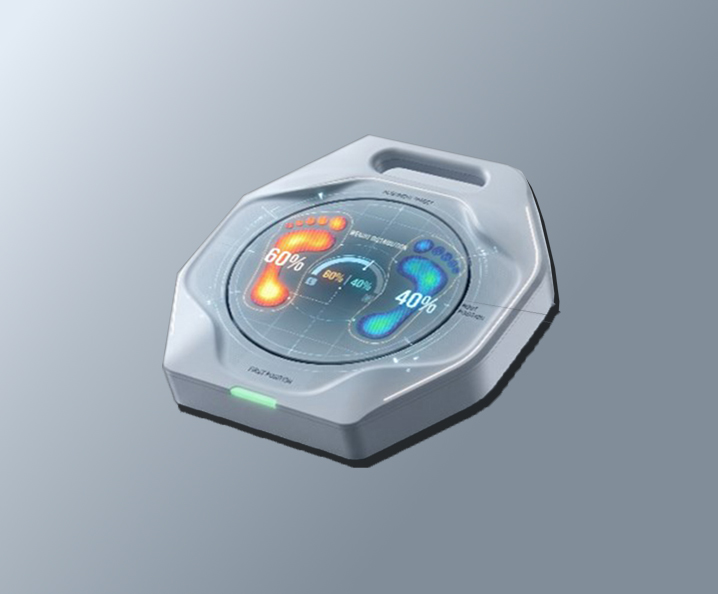
Clinical Assessments
Integrated assessment tools for precise physical evaluation.

Monitoring Physical Change
Combine repeated body-composition estimates, posture, and loading measurements to support the review of physical changes over time.
Rehabilitation Baselines
Record relevant physical measurements at the beginning of a rehabilitation program and compare them with later assessments.
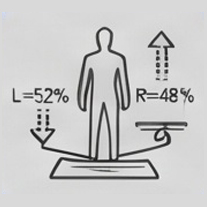
Weight-Bearing and Asymmetry Review
Quantify left-right loading differences that may warrant further assessment or follow-up by a qualified professional.
Geriatric Physical Assessment
Add body-composition and postural information to the movement and functional assessments available through PhysioEye Core.

Progress Reporting
Generate structured reports that make selected measurements, asymmetries, and longitudinal changes easier to review.
Comprehensive Assessment Outputs
A.Body Composition Assessment
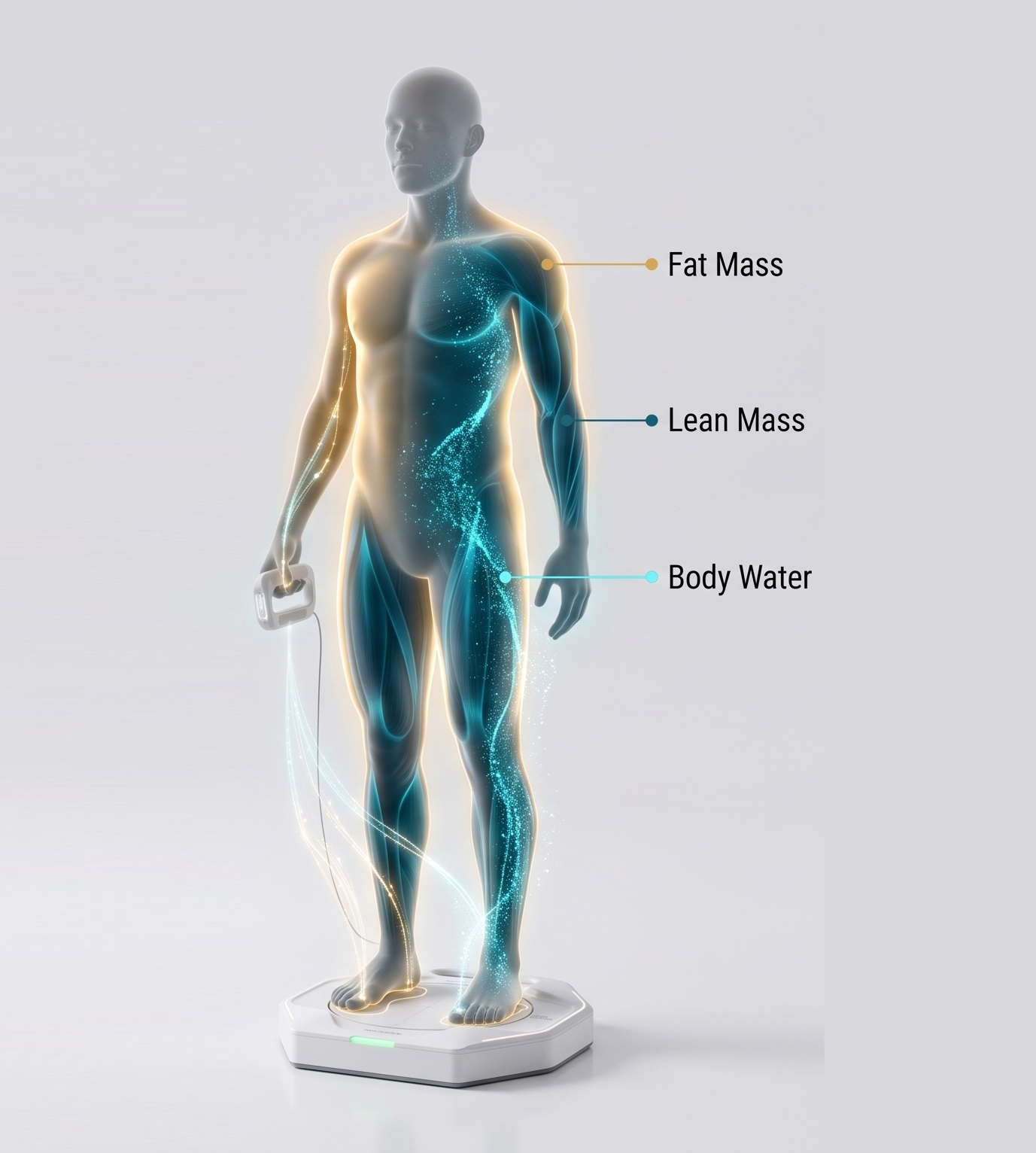
Measurements and estimates potentially available from the BIA module:
Bioelectrical impedance values, where accessible through the sensor interface.
Body mass, using calibrated force measurements.
Body mass index (BMI), when height and body mass are available.
Estimated body-fat percentage.
Estimated fat mass.
Estimated fat-free mass.
Estimated lean body mass.
Estimated total body water.
Estimated skeletal muscle mass, if supported by the selected BIA model.
Segmental lean-mass or fat-mass estimates, if the hardware and validated estimation model support segmental analysis.
Changes in estimated body composition across repeated assessments.
C. 360-Degree Body Geometry and Posture
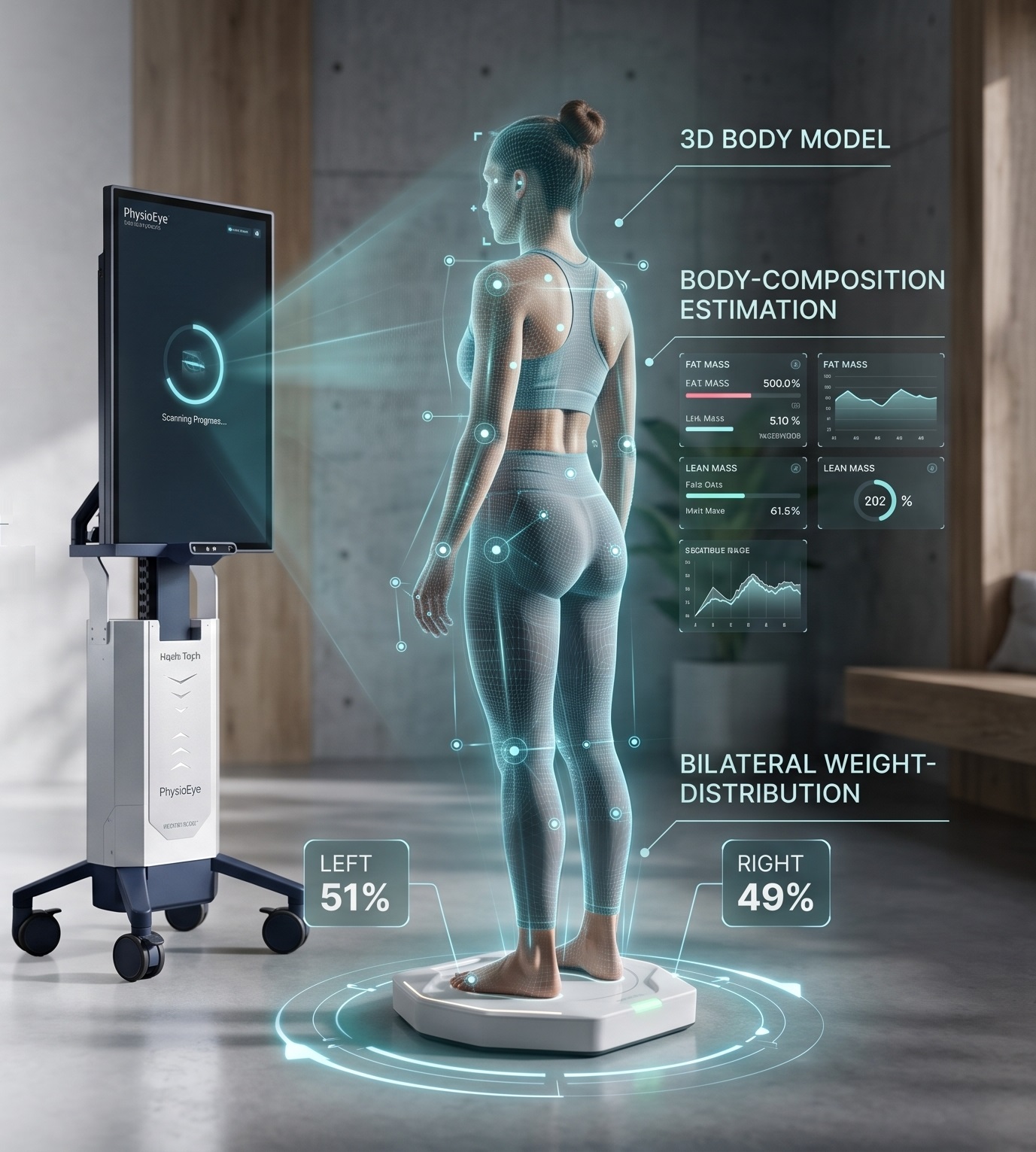
By combining the rotating platform with depth-camera capture, Orbit may support:
- External 3D body-surface reconstruction.
- Body contour and shape visualization.
- Left-right external contour asymmetry.
- Shoulder-height difference and shoulder tilt.
- Head tilt and supported head-alignment metrics.
- Trunk lateral lean.
- Trunk rotation or asymmetry, where reconstruction permits.
- Pelvic tilt or obliquity estimates.
Supported frontal- and sagittal-plane posture measurements. - Selected limb-alignment measurements.
- Estimated body dimensions and circumferences, where a calibrated full-turn reconstruction provides sufficient coverage and accuracy.
B. Bilateral Weight-Bearing Assessment
Core outputs supported by the defined two-platform arrangement:
- Total body mass or weight, following calibration.
- Left-foot load.
- Right-foot load.
- Percentage of total load borne by each side.
- Left-right weight-bearing ratio.
- Weight-bearing asymmetry index.
- Difference in loading between the two sides.
- Repeatability of loading measurements across assessment sessions.
- Changes in left-right loading over time.
- Loading changes during a defined standing or weight-shifting protocol, if supported by the measurement and acquisition system.
D. Integrated PhysioEye Movement Assessment
- Body mass and body-composition estimates alongside functional mobility.
- Body-composition trends alongside gait and walking-speed changes.
- Bilateral loading alongside posture and balance assessment.
- Postural asymmetry alongside joint range of motion (ROM).
- Body-composition estimates alongside sit-to-stand performance.
- Loading asymmetry alongside supported functional movement measurements.
- Longitudinal comparisons of body composition, posture, loading, and mobility.
Workflow
Patient Identification
1 Face ID
BIA Measurement
2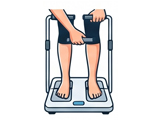 Position the hands and feet on sensors
Bilateral Loading
3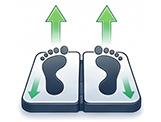 Capture left- and right-side weight-bearing
]
360° Body Capture
4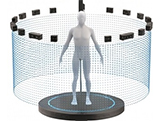 Rotate the for-posture analysis.
AI Analysis
5 Process the captured data
Report and Compare
6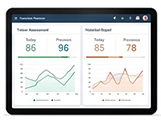 Display the assessment results
Technical Specification
|
Specification |
Detail |
|---|---|
|
Dimensions (cm) |
50 * 50 * 10 |
|
Weight (kg) |
1 |
|
BIA |
8-Sensor Multi-Frequency Technology |
|
Maximum supported body mass |
150 kg |
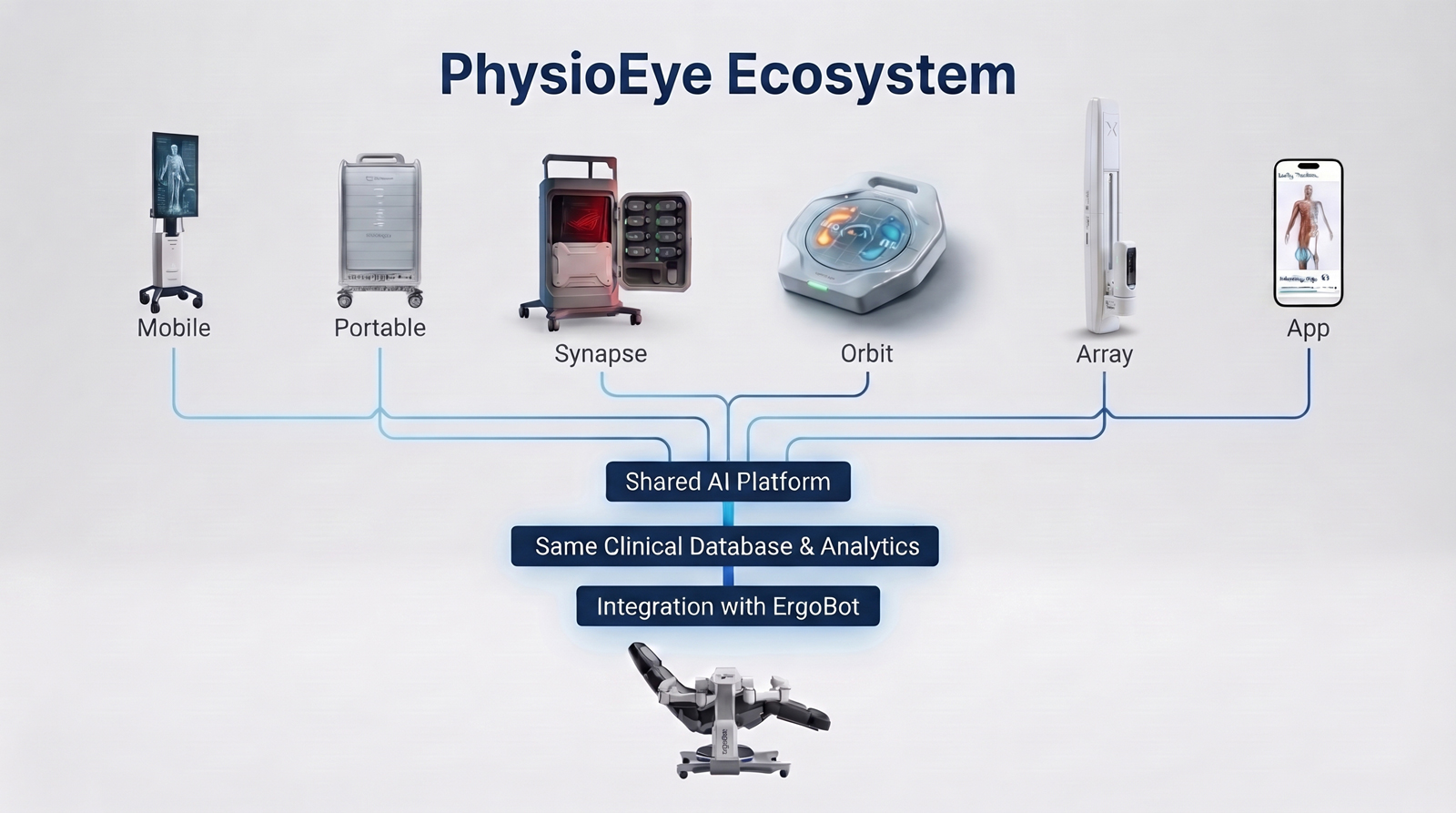
Part of the PhysioEye Ecosystem
PhysioEye Orbit extends the PhysioEye ecosystem by combining body-composition estimates, body geometry, and weight distribution with markerless biomechanical assessment. Together with compatible PhysioEye products, it can support a more connected view of physical condition and functional performance over time.
Frequently Asked Question
Integrates seamlessly with ErgoBot
Use assessment data from PhysioEye to automatically configure therapeutic interventions in ErgoBot.